Dear Friends,
Do you remember the Etch-A-Sketch® we played with as children? You could scribble anything you wanted on them, and then with a shake of the tablet or a twist of the wheel erase what been had written and start again.
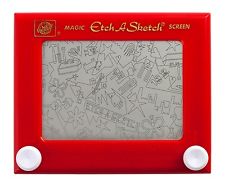
Unfortunately it takes more than a shake or a twist to erase our negative thoughts. Memories of how we have been hurt by others, or thoughts of how we have intentionally or accidentally hurt others can leave deep emotional scars. How, we wonder, can we obtain a tabula rasa — a clear slate — a mind not troubled by old experiences, guilt, or pain?
Clearing the slate involves forgiveness. It starts with the words of Jesus in the Lord’s Prayer. “And forgive us our debts, as we also have forgiven our debtors.
I find enlightening the explanation of this Scripture in Matthew Henry’s Commentary: “This is not a plea of merit, but a plea of grace. Note, Those that come to God for the forgiveness of their sins against him, must make conscience [the inner sense of what is right or wrong in one’s conduct or motives, impelling one toward right action] forgiving those who have offended them.”
Sometimes we have been hurt so badly we cry, “Do you not know what THEY have done to me? Jesus responds, “Do you not know what I have done for you?”
“Make allowance for each other’s faults, and forgive anyone who offends you. Remember, the Lord forgave you, so you must forgive others.” Colossians 3:13 (NLT)
I don’t know about you, but I sometimes hang on to guilt from my own past wrongs like a dog fighting for a bone. I know that confession — telling God what he already knows about us — is a starting point in erasing negative thoughts. I also believe 1 John 1:9: “If we confess our sins, he (God) is faithful and just and will forgive us our sins and purify us from all unrighteousness.” Nevertheless, it can still be a challenge for me to forgive myself. Ever feel that way?
Digging for answers, I read Proverbs 28:13: “Whoever conceals their sins does not prosper, but the one who confesses and renounces them finds mercy.” My eyes stopped at the word “renounces.” What does it mean to renounce one’s sins? The Reformation Study Bible offers this explanation: “The orderliness and well-being in one’s life is linked to an intensely personal relationship with God. Unconfessed sin is the ultimate disorder in life. Confession and repentance lead to a restoration of a right relationship with God, based on mercy.”
We are told to confess and repent, with repentance being a commitment to feel and show that you are sorry for something bad or wrong that you did and that you sincerely want to do what is right. As the old saying goes, “If you want to show me you are sorry, don’t do it again!”
In 2 Corinthians 7:10, we are warned that there is a difference between true repentance and “wordly sorrow”. “Godly sorrow brings repentance that leads to salvation and leaves no regret, but worldly sorrow brings death.” With this in mind, it is important to make sure that our “repentance” is prompted by our grief over how we have offended God, not just remorse over the immediate consequences of our actions.
Recently I heard a pastor say that confessing your sins to someone you trust can help you to heal. That’s biblical. “Therefore confess your sins to each other and pray for each other so that you may be healed. The prayer of a righteous person is powerful and effective.” James 5:16. Of course, we should always choose our person to confide in with Proverbs 11:13 in mind: “A gossip betrays a confidence, but a trustworthy person keeps a secret.”
In our confessing, we also need to avoid being like the thief who is compelled to return to the scene of the crime. If we repeatedly return to thoughts of a particular sin, it’s time to ask the Holy Spirit to help us forgive ourselves, and trust that God already has.
“The Lord is compassionate and gracious, slow to anger, abounding in love. He will not always accuse, nor will he harbor his anger forever; he does not treat us as our sins deserve or repay us according to our iniquities. For as high as the heavens are above the earth, so great is his love for those who fear him; as far as the east is from the west, so far has he removed our transgressions from us.” Psalm 103:8-12
Blessings,
Your Friends in Christ
 Because He Loves Us Press